

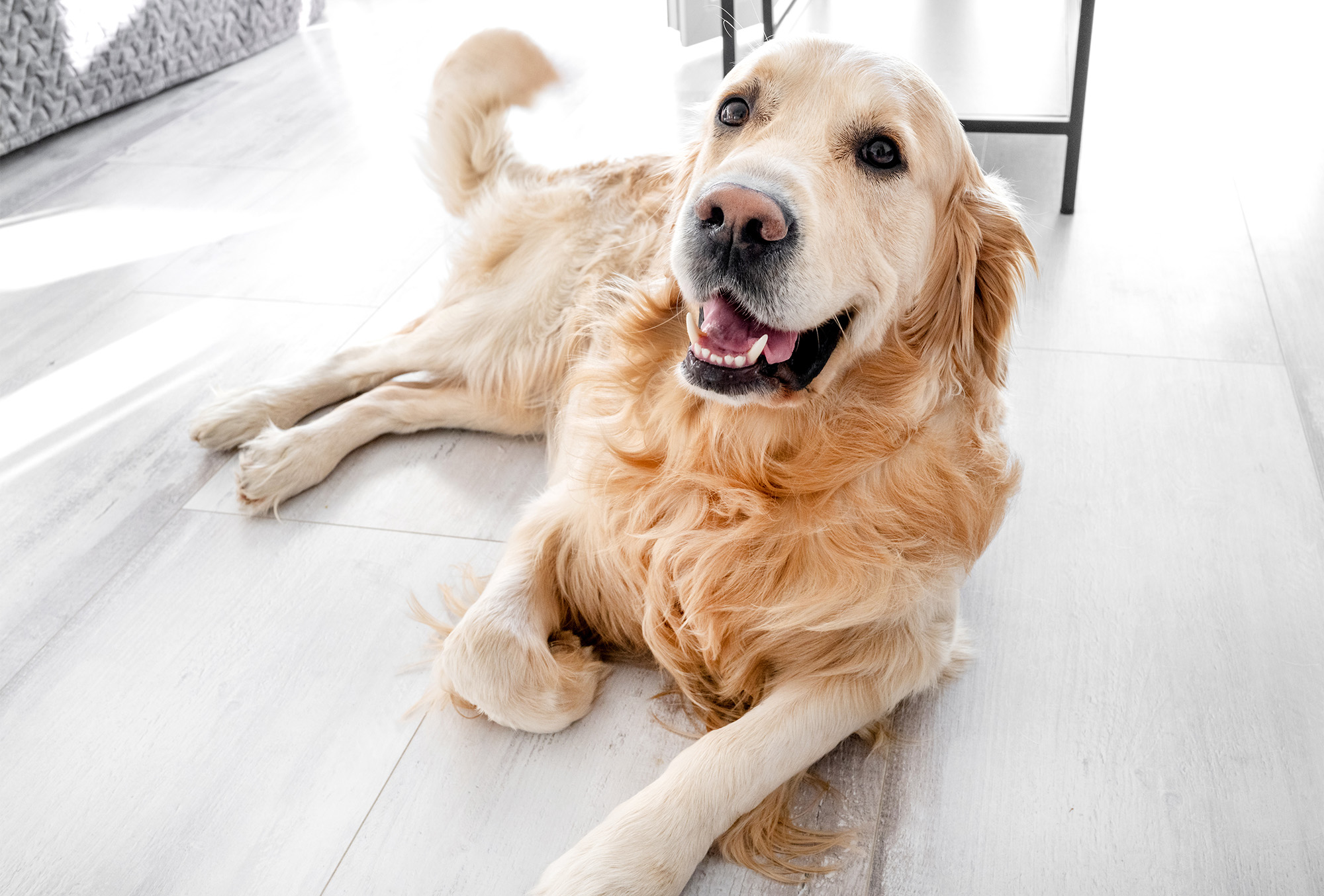
Every pet owner knows the pet bowl zone is not just a corner of the kitchen. It is a splash zone, scratch zone, crumb zone, and traffic zone all in one. Water gets kicked out of bowls. Food gets pushed across the floor. Dogs skid when they are excited. Cats treat nearby surfaces like tiny obstacle courses. The flooring in this area has to work harder than most people realize.
For homes in Georgetown, Round Rock, Austin, Jarrell, and Liberty Hill, TX, pet-friendly flooring also has to deal with dust, heat, backdoor traffic, and open living spaces. Tile and laminate are both strong options, but the best choice depends on where the pet area is located, how messy the household is, and how much maintenance the homeowner is willing to manage.
Why the Pet Bowl Area Needs Special Attention
Water is the biggest flooring issue around pet bowls. A few drops may not seem serious, but repeated moisture exposure can affect seams, edges, grout, trim, and nearby cabinets. If the bowl sits near a wall, pantry, island, or sliding door, trapped water can sit longer than expected. Over time, that creates staining, swelling, dull spots, or odor issues depending on the flooring material.
Scratching is the second issue. Pets often pivot, push off, or slide near feeding areas, especially if the bowl is placed on a smooth surface. Even durable flooring can show wear if the finish is not suited to claws, grit, and daily cleaning. The best flooring choice should resist moisture and abrasion while still giving pets enough traction to move comfortably.
When Tile Is the Better Choice
Porcelain tile is often the strongest choice for pet bowl areas because it is dense, water-resistant, and easy to clean. It works especially well in kitchens, laundry rooms, mudrooms, and rooms that connect to patios or garages. If the pet area gets frequent water spills, wet paws, or messy feeding, tile gives homeowners the most confidence.
The main technical factors are finish texture, grout type, and grout color. A matte or lightly textured porcelain tile usually provides better traction than polished tile. Grout should be sealed if required, and the color should be chosen with real-life cleaning in mind. Very light grout can show food residue and dirt faster, while very dark grout can highlight dust or mineral marks from water.
When Laminate Can Work Well
Laminate flooring can be a practical choice for pet-friendly living areas when homeowners want warmth, comfort, and a wood-look surface without the cost of hardwood. Modern laminate is much more durable than older versions, especially products with strong wear layers, higher AC ratings, and improved surface protection. For living rooms, hallways, bedrooms, and open-plan areas, laminate can handle everyday paw traffic well.
The caution is moisture. Laminate can be water-resistant, but it is not the same as tile. Pet bowls should not sit directly on laminate without a waterproof mat, especially if pets splash heavily or water sits for long periods. Homeowners should also pay attention to seam quality, edge protection, and manufacturer moisture guidelines before choosing laminate for a feeding area.
Traction and Comfort Matter Too
A floor can be durable and still be wrong for pets if it is too slippery. Glossy tile, polished surfaces, and very smooth laminate can make dogs feel unstable, especially older dogs or larger breeds. That can lead to slipping, skidding, or hesitation when walking across the room.
Texture helps, but it should not be so aggressive that it traps dirt. A balanced surface is best: enough grip for paws, but smooth enough to mop easily. This is where seeing samples in person helps. A floor that looks beautiful online may feel too slick, too rough, or too shiny once it is under real household lighting.
How to Protect the Floor After Installation
Even the right flooring benefits from a smarter setup. Use a low-profile waterproof mat under food and water bowls, and choose a mat with a backing that will not discolor or trap moisture against the floor. Avoid rubber-backed mats unless the flooring manufacturer confirms they are safe for that surface.
Pet nails should be trimmed regularly because scratches are often caused by pressure and grit together, not claws alone. Sweep or vacuum around feeding stations often, because dry kibble crumbs, outdoor sand, and Central Texas dust can act like tiny abrasives under paws and shoes.
The best pet-friendly floor is not just the toughest product on the shelf. It is the right surface for the room, the pet, the cleaning routine, and the way the family actually lives. Visit Georgetown, TX to compare tile and laminate options that can handle water bowls, paw traffic, scratches, and daily cleanup.
Town Square Floors serves Georgetown, Round Rock, Austin, Jarrell, and Liberty Hill, TX with practical flooring guidance for real homes and real pets. If you are ready to choose flooring that looks good and survives the pet bowl zone, contact us today.


