

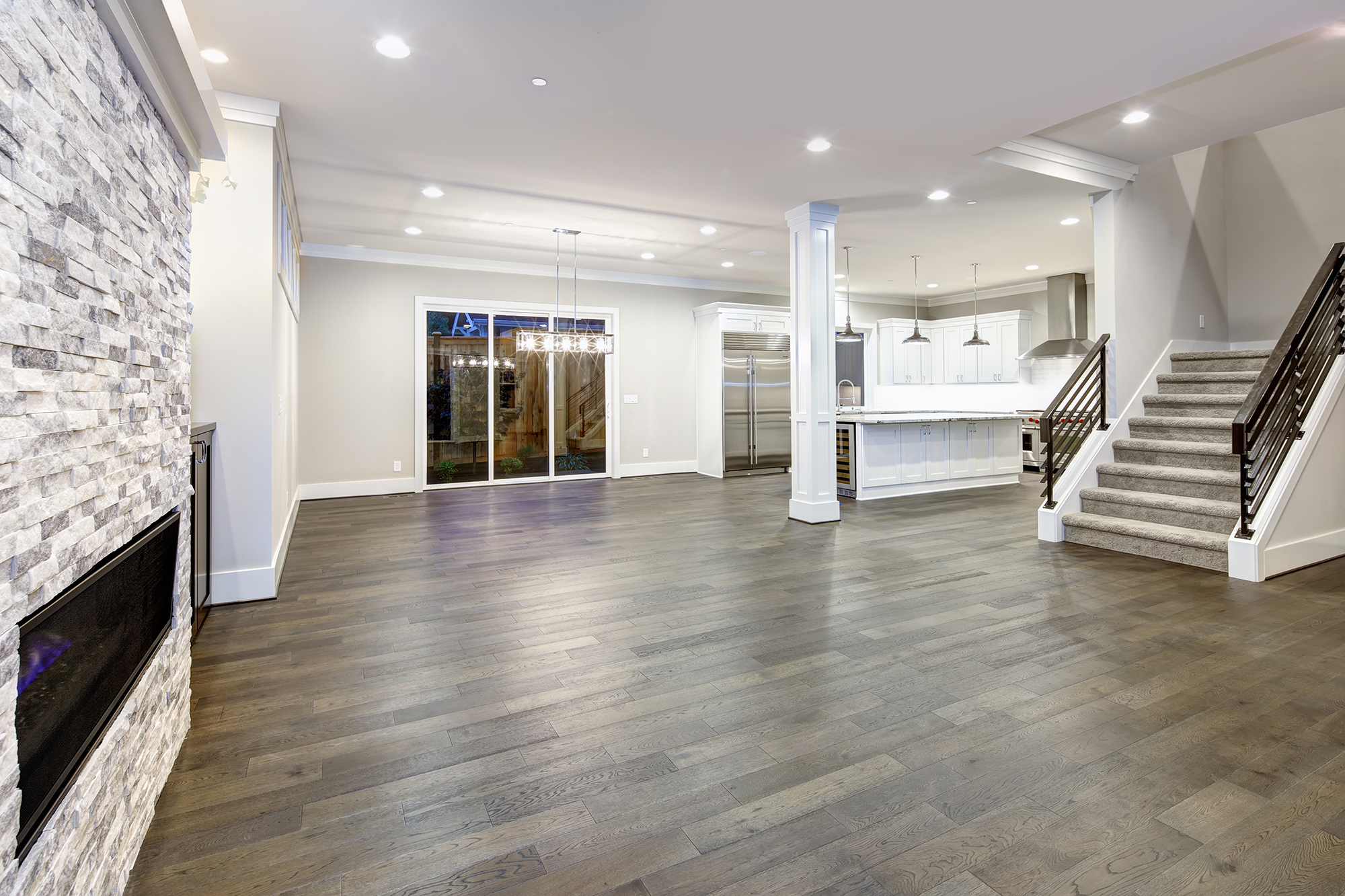
Builder carpet often looks acceptable when a home is new, but it can wear quickly in real life. Traffic lanes appear in hallways. Stains settle near bedrooms and playrooms. Pet odors become harder to remove. Dust and allergens collect in fibers. For many Georgetown-area homeowners, replacing builder carpet with laminate is one of the first upgrades that makes the home feel cleaner, sharper, and easier to maintain.
Laminate can be a smart choice, especially for bedrooms, living areas, hallways, and upstairs spaces. But a good result depends on more than picking a color. Before replacing carpet, homeowners need to think through subfloor condition, transitions, doors, baseboards, stairs, moisture exposure, and how the new floor will connect to existing tile or hard surface flooring.
Start With the Subfloor
Carpet can hide a lot. Once carpet and pad are removed, the subfloor may reveal uneven areas, squeaks, old stains, dips, high spots, or damaged sections. Laminate needs a flatter surface than carpet because it is a floating floor system with locking joints. If the subfloor is not prepared correctly, the finished floor may flex, sound hollow, separate, or feel unstable.
Subfloor preparation can include cleaning, fastening loose panels, leveling low spots, grinding high areas, and checking for moisture concerns. This step is not decorative, but it is one of the most important parts of the job. A beautiful laminate plank will not perform properly over a poor foundation.
Understand Height Changes and Transitions
Carpet and pad are usually thicker and softer than laminate. When carpet is removed, the finished floor height changes. That affects transitions into bathrooms, kitchens, closets, stair landings, and rooms with existing tile or vinyl. If these details are not planned, the new floor can leave awkward edges or create trip points.
Door clearance also matters. Bedroom doors, closet doors, and exterior-adjacent doors may need to be checked once the new laminate and underlayment are installed. Baseboards and quarter round should also be discussed before installation. Some homeowners prefer removing and reinstalling baseboards for a cleaner look, while others choose trim molding to cover expansion gaps.
Choose Laminate for the Room Not Just the Color
Color is important, but performance specifications matter more. Homeowners should compare AC rating, plank thickness, locking system, water-resistance claims, surface texture, attached pad options, and manufacturer warranty requirements. A laminate that works well in a guest bedroom may not be the best choice for a hallway with dogs, kids, and constant traffic.
Texture and sheen also affect how the floor looks over time. High-gloss surfaces can show footprints, dust, and scratches more easily. Very dark floors can make pet hair and Central Texas dust more visible. Mid-tone wood looks with low-sheen finishes are often more forgiving for busy households.
Think About Moisture Before You Commit
Laminate is not carpet, and that is one reason homeowners love it. It is easier to clean and does not hold stains or odors in the same way. Still, laminate is not the same as tile. Moisture exposure must be taken seriously, especially near bathrooms, laundry rooms, pet bowls, exterior doors, and kitchens.
If the carpeted area connects to a wet zone, ask about water-resistant laminate and the correct installation details for that product. Expansion gaps, perimeter sealing recommendations, underlayment, and cleaning instructions all matter. A damp mop may be fine for some laminate floors, but standing water is still a risk for many products.
What Laminate Changes in the Feel of a Home
Replacing builder carpet with laminate can make a home feel cleaner, brighter, and more updated. It can also change sound. Carpet absorbs noise, while laminate reflects more sound into the room. In open spaces or upstairs rooms, underlayment selection becomes important because it affects sound transfer, comfort, and the way the floor feels underfoot.
Furniture also sits differently on laminate than carpet. Chairs, beds, desks, and rugs may need felt pads or area rugs to protect the surface. This is not a drawback, but it is part of planning the room properly after installation.
Replacing builder carpet with laminate is one of the most practical upgrades a homeowner can make, but the best results come from choosing the right product and preparing the space correctly. Visit @@all-showrooms@@ to compare laminate samples, discuss installation details, and understand how the finished floor will work in your home.
@@companyname@@ serves @@service-areas@@ with laminate flooring guidance, product selection, and installation support. If you are ready to replace builder carpet with a cleaner, more durable flooring option, contact us today.


