

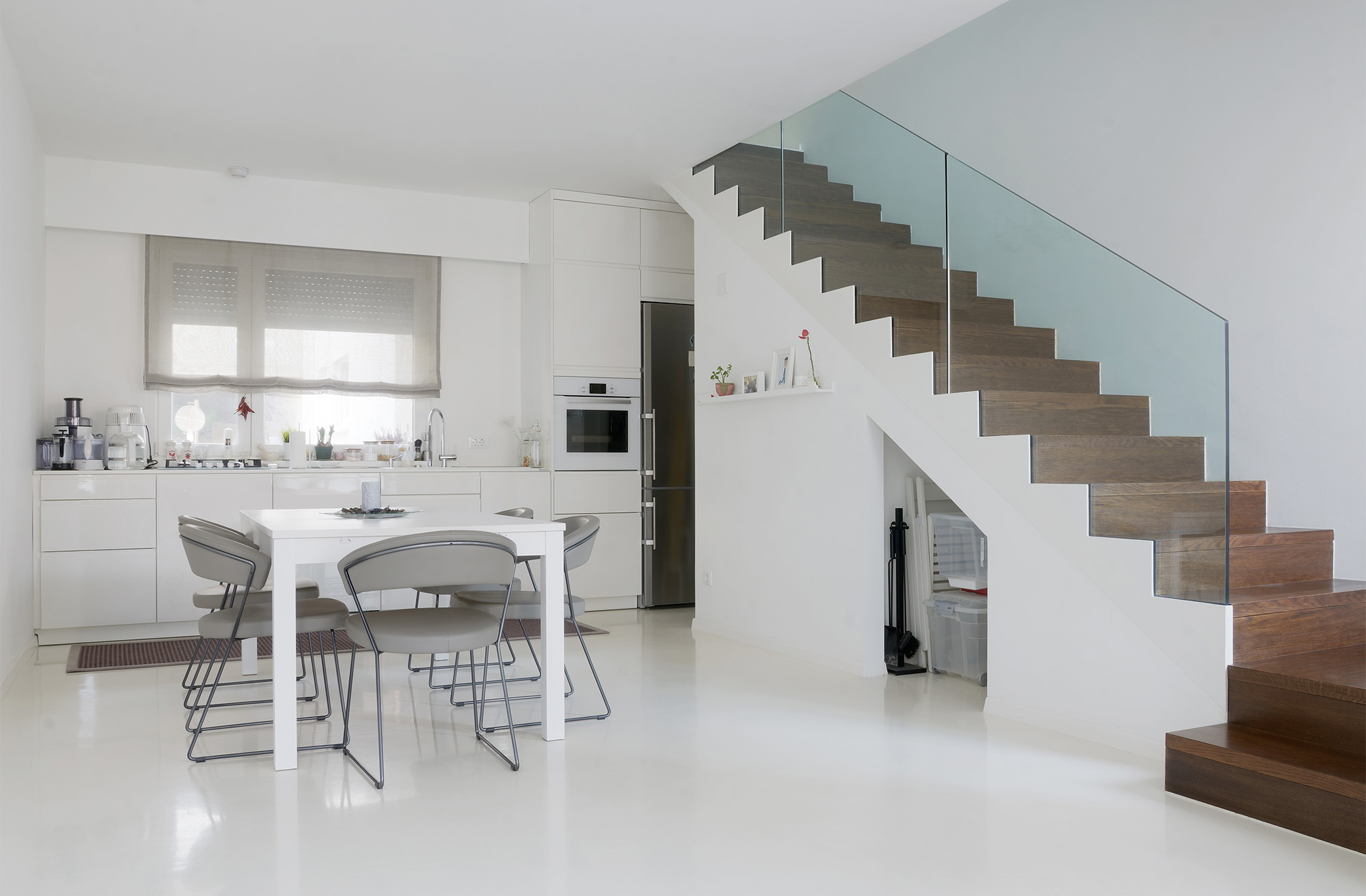
The “luxe” appeal vs. the real kitchen reality
Polished porcelain and polished ceramic reflect light beautifully, which can visually open up smaller kitchens. The problem is kitchens are wet zones and oil zones. A thin film of water, dish soap, cooking oil, or fine dust can drop traction fast, and those films happen in kitchens daily.
In other words: it’s not “tile is slippery” in general. It’s “polished tile becomes unpredictable when real-life kitchen conditions show up.”
DCOF: the number you should ask for (and why)
DCOF stands for Dynamic Coefficient of Friction. It’s a standardized way to estimate traction when a surface is in motion (walking), often with wet testing methods like ANSI A326.3.
Use DCOF as a screening tool. If a tile doesn’t have published slip data, you’re guessing. If it does, you’re at least comparing products on something measurable. Traction also depends on texture, layout, and maintenance, so DCOF is necessary but not sufficient.
Why polished finishes behave differently
Polished tile is mechanically ground and polished smooth. That process reduces microtexture, the tiny peaks and valleys that help your shoe “bite” the floor.
Some glazed tiles look shiny but aren’t truly polished and can have better traction due to engineered surface texture. Others are slick. So don’t shop by shine. Shop by slip data and surface feel.
The kitchen slip zones people underestimate
Most slip incidents happen in predictable strips, not the center of the room.
The sink lane gets repeated water and soap.
The cook line near the stove gets aerosolized oil.
The fridge zone gets condensation drips and small spills.
The patio door threshold brings in wet soles and fine grit.
If you insist on polished tile, these zones need a plan, not hope.
Safer finishes that still look premium
If you want the “luxury” look without the liability, consider finishes that keep elegance but add grip.
Honed porcelain gives a refined look with better traction than polished.
Matte or satin porcelain can still look high-end with large format and clean grout lines.
Textured stone-look porcelain often handles wet traffic much better while still photographing beautifully.
This is the hot take: in kitchens, “premium” is a performance spec, not a mirror shine.
Grout lines are traction (and they change the design)
Grout lines break up a smooth plane and add micro-traction. That matters more with polished surfaces.
Tighter joints reduce that benefit and can make lippage more noticeable, especially on large-format tile. If you’re choosing polished tile, don’t
automatically chase the narrowest grout line. Chase the most stable, safe install.
Installation details that matter more with polished tile
Polished tile highlights imperfections, so install quality matters more than usual.
Subfloor flatness must meet tile industry tolerances for the tile size, or lippage and uneven light reflection show up immediately.
Thinset coverage needs to be solid, especially in kitchens with chair legs and rolling loads.
Movement joints at perimeters and transitions reduce tenting risk as the home expands and contracts seasonally.
A polished floor can look like a “tile problem” when it’s actually a prep and layout problem.
A practical decision checklist
Ask for DCOF wet rating documentation.
Test a sample with water and a drop of dish soap under your normal footwear.
Choose a grout color that hides daily life, not just showroom perfection.
Plan runners or mats in slip zones (with non-staining, tile-safe backers).
Polished tile can be stunning, but kitchens demand traction, easy maintenance, and durability under spills. The best solution is often a honed, satin, or textured porcelain that keeps a premium look while supporting real life.
For tile product solutions, finish comparisons, and installation planning, Town Square Floors can help you choose the right tile system for your kitchen. Visit Georgetown, TX, and if you’re in Georgetown, Round Rock, Austin, Jarrell, and Liberty Hill, TX, contact us to schedule a showroom consult and get a buyer-ready quote.


