

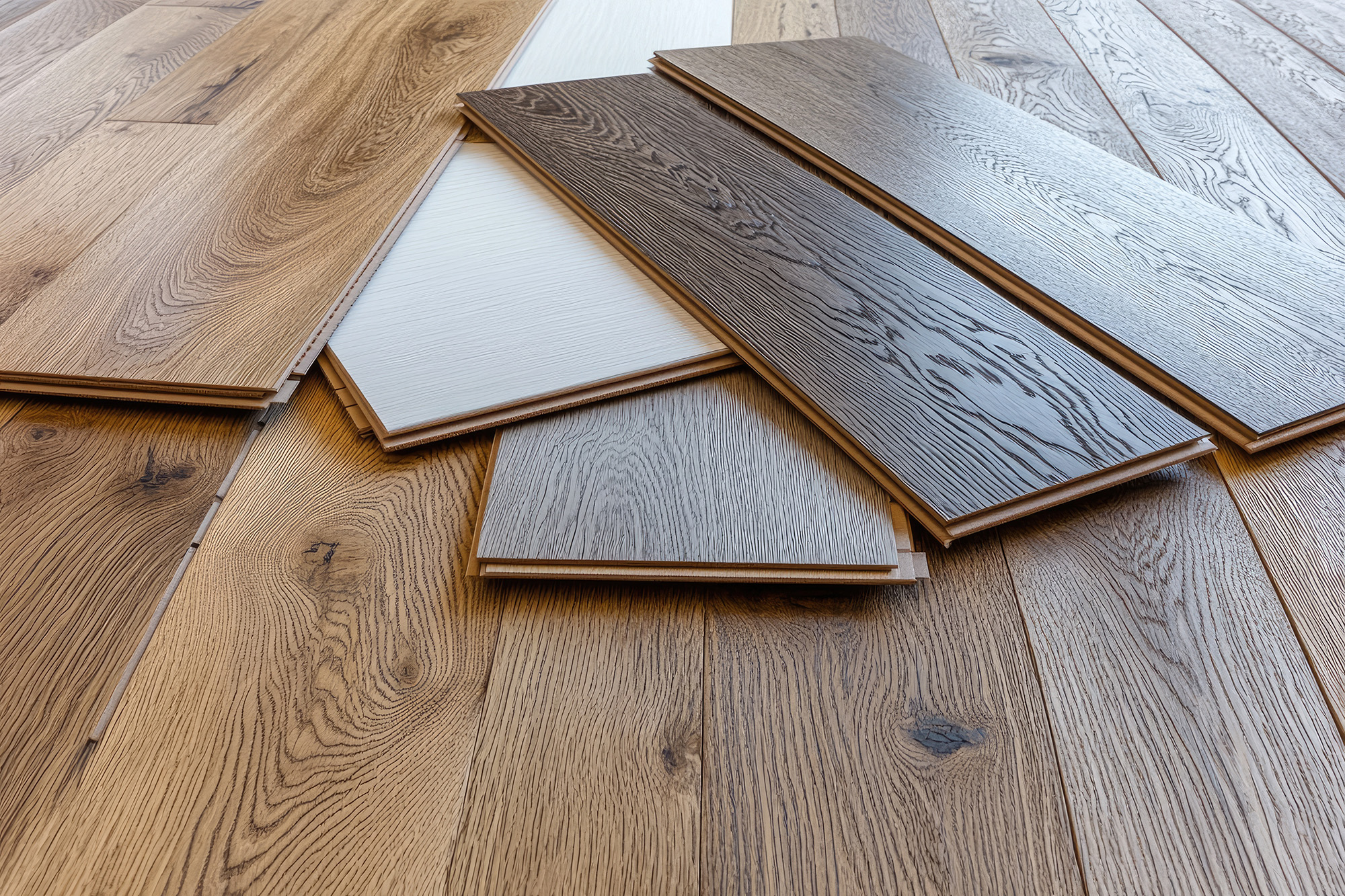
Laminate flooring failures in Texas often appear as gapping, peaking, or separation — even when the surface still looks intact. At Town Square Floors, serving homeowners through Georgetown, TX, we consistently trace these failures back to one component: the locking system. In Texas, expansion isn’t occasional — it’s relentless.
Why Texas Expansion Cycles Are So Punishing
Texas homes experience:
30–40% seasonal humidity swings
Rapid temperature fluctuations
Slab foundation movement
HVAC-driven microclimates
Laminate must expand and contract laterally without losing structural engagement at the joints.
The Three Primary Locking System Types
Angle-Angle Systems
Strong initial engagement but vulnerable to vertical shear. Often fail when slab movement and humidity combine.Fold-Down Systems
Better vertical tolerance, but weak lateral resistance under expansion stress.Drop-Lock Hybrid Systems
Best-performing when engineered correctly; allows controlled movement without joint failure.
Why Cheap Locking Systems Fail First
Low-cost laminate uses:
Shallow locking profiles
Brittle MDF cores
Inconsistent milling tolerances
When expansion occurs, the locking lips shear or compress — permanently weakening the joint.
Core Density and Lock Integrity
The locking system is only as strong as the core:
Low-density cores (<750 kg/m³) compress under pressure
High-density cores (>850 kg/m³) resist deformation
Polymer-reinforced edges dramatically improve durability
Texas expansion cycles expose these differences within the first year.
Precision Milling Matters More Than Marketing
Even premium locking designs fail if tolerances exceed ±0.1 mm. High-quality laminate maintains:
Tight dimensional consistency
Uniform joint engagement
Predictable expansion behavior
Cheap products often vary plank-to-plank, compounding stress.
Installation Conditions That Stress Locks
Texas-specific risks include:
Uneven slab flatness
Inadequate acclimation
Continuous runs without transition breaks
Locking systems are not designed to compensate for poor subfloor prep.
Where Locking Systems Fail First
Doorways and transitions
Long, uninterrupted runs
Areas exposed to sunlight
Rooms with fluctuating humidity
Once one joint fails, adjacent planks lose load-sharing capability.
Laminate That Actually Performs in Texas
Look for:
AC4 or AC5 ratings
Reinforced locking edges
Wax-sealed joints
Manufacturer expansion data specific to warm climates
Final Thoughts
In Texas, laminate performance is determined at the joint — not the surface. At Town Square Floors, we help homeowners across Georgetown, Round Rock, Austin, Jarrell, and Liberty Hill, TX choose laminate systems engineered for real expansion cycles, not ideal lab conditions.
Visit one of our showrooms or call today to compare locking systems before installation decisions lock you into failure.


